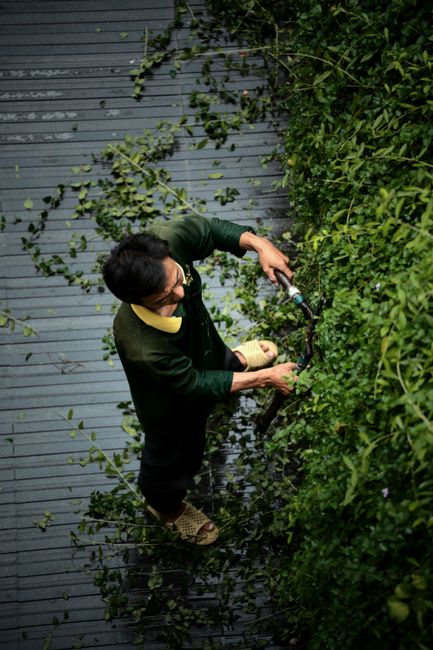
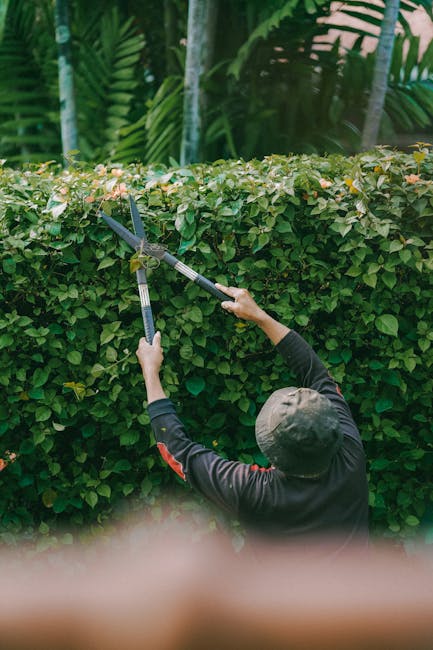
How to Prune Hedges Safely with Tips from Experienced Gardeners
If your hedge has started looking a little wild around the edges, you are not alone. Most gardeners eventually face the same question: how do you tidy it up without damaging the plant or risking a wobble on the ladder? Learning how to prune hedges safely with tips from experienced gardeners is really about more than making things look neat. It is about keeping the hedge healthy, protecting yourself, and getting a finish that actually lasts.
Experienced gardeners tend to approach hedge pruning with a simple mindset: work with the plant, not against it. That means choosing the right time, using sharp tools, keeping your footing secure, and knowing when to stop. In this guide, you will get a clear, practical walkthrough of the process, along with the small details that make a big difference on real jobs - the kind of details people often skip until something goes wrong.
Whether you are shaping a tidy front boundary, reducing an overgrown garden screen, or just keeping growth under control through the season, this article will help you prune with more confidence. A bit of care goes a long way. Truth be told, most hedge problems come from rushing, not from lack of enthusiasm.
Table of Contents
- Why safe hedge pruning matters
- How hedge pruning works
- Key benefits and practical advantages
- Who this is for and when it makes sense
- Step-by-step guidance
- Expert tips for better results
- Common mistakes to avoid
- Tools, resources and recommendations
- Law, compliance, standards and best practice
- Options, methods and comparison
- Case study or real-world example
- Practical checklist
- Conclusion
- Frequently asked questions
Why safe hedge pruning matters
Hedge pruning looks simple from the pavement. Stand back, trim the sides, tidy the top, job done. But anyone who has actually handled a mature hedge knows there is more to it than that. Cut too hard and you can leave a hedge thin, stressed, or patchy. Work carelessly and you increase the chance of slips, cuts, eye injuries, or a very awkward moment on a ladder. Not ideal, obviously.
Safety matters because hedge work usually combines sharp blades, awkward angles, green waste, and height. Even small hedges can hide surprises such as uneven ground, loose stones, bird nests, thorns, and branches that spring back once cut. Larger hedges add more risk because you are stretching, lifting, and holding tools above shoulder height for longer than feels comfortable. That is where experienced gardeners slow things down and make a plan first.
There is also the plant to think about. A hedge is not just a green wall; it is a living structure. Different species respond differently to pruning, and the wrong cut at the wrong time can blunt new growth, expose bare stems, or reduce flowering. Safe pruning is therefore about protecting both the gardener and the hedge. That is a better long-term result, every time.
If you are looking after the wider garden as well, it can help to think of hedge care as part of a bigger maintenance routine. A tidy hedge often looks best alongside regular garden maintenance, especially when lawns, borders, and pathways all need a bit of seasonal attention.
How hedge pruning works
At its core, hedge pruning is the selective removal of shoots, stems, and overgrowth to control shape, density, and size. The method you choose depends on the hedge type, the season, and what outcome you want. Are you refreshing a formal box hedge, managing a tall conifer screen, or simply preventing a privet from swallowing the path? Those are not the same job, and they should not be treated as if they are.
Experienced gardeners usually think in layers. First, they inspect the hedge for health, nesting birds, dead wood, and weak points. Then they decide whether it needs a light trim, a reduction, or a more careful renovation cut. After that comes the actual shaping, usually starting with the sides and moving to the top once the structure is clear. It sounds obvious, but many people dive straight in and end up chasing the shape for the rest of the afternoon.
Good pruning is also about angle and balance. Many hedges are trimmed slightly narrower at the top than at the base so light can reach the lower foliage. If the hedge is wider at the top, the bottom can go thin and patchy because the upper leaves shade everything below. You will notice this especially on older hedges that have been neglected for a season or two.
For bigger or more technical work, some homeowners choose a professional hedge trimming service because the job may involve access issues, uneven growth, or simply more time than a weekend allows. That is often the sensible option when the hedge is high, awkward, or near property boundaries.
Key benefits and practical advantages
When hedge pruning is done properly, the benefits show up quickly. Some are visual, some are practical, and some are about avoiding future hassle. A lot of people focus only on the neat finish, but that is only one part of the story.
- Healthier growth: Removing dead, crossing, or congested stems helps the hedge direct energy into stronger growth.
- Better shape and density: Regular pruning encourages a fuller, more even appearance rather than a leggy look.
- Safer garden access: Keeping hedges under control helps protect paths, driveways, entrances, and sightlines.
- Less future work: Small, regular trims are usually easier than letting the hedge run away and then tackling a huge cutback.
- Improved light and airflow: This can reduce dampness in the hedge and make the garden feel less enclosed.
- Cleaner boundaries: A well-managed hedge helps a property look cared for without trying too hard.
There is a subtle but important advantage too: regular pruning makes the hedge more predictable. Once you learn how it grows, you start to read it almost like a familiar shape in the garden. A bit of unevenness here, a fast-growing corner there. Experienced gardeners notice those things early and adjust before the hedge becomes a problem.
Expert summary: The safest hedge pruning approach is usually the simplest one: inspect first, cut gradually, keep your footing stable, and stop before you overdo it. A tidy hedge is good. A stressed hedge is not.
Who this is for and when it makes sense
This guidance is useful for homeowners, tenants with garden responsibility, landlords maintaining outdoor space, and anyone looking after a boundary hedge or decorative shrub screen. If you have a modest hedge that you can reach comfortably from the ground, you may be able to handle routine trimming yourself. If the hedge is tall, thick, or close to fencing, sheds, glass, or public footpaths, the job quickly becomes more demanding.
It also makes sense for people who want to improve their confidence before picking up tools. A lot of first-time hedge trimmers are not short on effort - they are short on a method. Once you understand the order of work, the task becomes less intimidating. You do not need to be a master gardener. You just need to be methodical and cautious.
For overgrown hedges, awkward access, or seasonal tidy-ups across a whole property, many people combine hedge work with wider garden tasks such as lawn mowing or garden clearance. That can save time and give the whole space a more consistent look. It also means less back-and-forth with tools, waste, and weather windows. Anyone who has tried to rush a hedge job between showers knows the feeling.
Step-by-step guidance
Below is a practical, safe sequence you can follow for most common hedges. Adjust it to suit the plant type and the hedge's size. If in doubt, do less, not more.
1. Check the hedge before you cut
Walk around the hedge and look at it from a distance. You are checking for uneven growth, dead patches, nesting birds, hidden wires, and branches that may kick back when cut. This is also the point to notice any trip hazards around your feet. Wet grass, mossy paving, and loose offcuts can catch you out faster than you think.
2. Put safety first
Wear eye protection, sturdy gloves, long sleeves, and non-slip footwear. If you are using electric tools, check the lead and connections. If you are on a ladder, make sure it is stable and set on firm ground. Better still, avoid overreaching. Reposition yourself instead. That one small habit prevents a lot of near-misses.
3. Decide the finish line
Picture the final shape before cutting. Mark a visual line if needed. Experienced gardeners often step back after every few cuts because it is surprisingly easy to drift off course when you are working close in. The hedge can look fine from two feet away and very odd from the driveway. Perspective matters more than people realise.
4. Start with the sides
Trim the sides gradually, working from the bottom upwards if the hedge is wide and your tool allows a comfortable reach. Keep the top slightly narrower than the base if the hedge needs light lower down. Make small cuts rather than huge ones. You can always remove a little more, but you cannot put leafy growth back on. That old rule is still annoyingly true.
5. Move to the top carefully
Use a level stance and keep the cutting motion controlled. If the hedge is tall, do not stretch to finish the job in one go. Move along the hedge in small sections. Short pauses help you avoid rushing, and they give you time to clear debris before it builds up underfoot.
6. Tidy and inspect
Remove cuttings as you go so you can see what remains. Then check for missed patches, broken stems, or sharp points sticking out. A final walk-around from different angles is worth it. More than once, the hedge that looked perfect from one side has a rogue branch waving at the neighbours from the other.
7. Deal with waste safely
Collect clippings promptly. Wet hedge material can be heavy and slippery, and thorny species can be awkward to handle. If the job produces a large amount of green waste, it may be worth arranging a broader tidy-up through garden maintenance or a more specific landscape gardening project if the hedge forms part of a wider redesign.
Expert tips for better results
Experienced gardeners often rely on a handful of simple habits that make hedge pruning safer and neater. These are not flashy techniques. They are the sort of practical details that make a job go smoothly.
- Cut on a dry day if possible. Wet foliage is heavier, harder to see clearly through, and more likely to snag.
- Work from the outside in. Remove the obvious overgrowth first, then refine the shape.
- Keep blades sharp. Dull blades tear rather than cut, which can leave ragged growth and make the tool harder to control.
- Use both hands where the tool design allows. It gives you steadier control.
- Take breaks. A tired gardener is a clumsy gardener. Sounds harsh, but it is true.
- Watch the hedge species. Some hedges tolerate frequent trimming, while others prefer less frequent, lighter cuts.
- Think about bird activity. If birds are actively nesting, pause and check before disturbing the hedge.
One very practical tip: trim more often but less aggressively. A hedge that is lightly maintained usually needs less recovery time and produces a cleaner line. It also keeps the job mentally lighter. No one enjoys facing a hedge that has turned into a leafy wall. That is where people start muttering to themselves, which, to be fair, is understandable.
Another useful habit is to prune in good light. Early morning or late afternoon can be fine, but harsh glare or fading dusk makes it harder to judge the shape properly. The difference between "straight enough" and genuinely tidy is often just visibility.
Common mistakes to avoid
Most hedge pruning mistakes fall into a few familiar categories. Some are about safety, some are about appearance, and some affect the hedge long after the job is finished.
Cutting too much at once
Heavy cuts can shock the plant and leave it looking sparse. If a hedge is badly overgrown, reduce it in stages where possible. Patience really is part of the process.
Ignoring the base of the hedge
If you only cut the top, the hedge may become top-heavy and shade its lower growth. That is how you end up with a dense crown and a bare bottom. Not the best look.
Using unstable access
People often lean too far, stand on the wrong surface, or use ladders without proper care. This is one of the biggest avoidable hazards. Reposition yourself instead of stretching.
Working with blunt or unsuitable tools
Trying to trim thick stems with light-duty cutters usually leads to frustration and uneven results. Match the tool to the hedge. It saves time and reduces strain.
Forgetting the surroundings
Watch for windows, cars, decking, paving, lights, and boundary fences. A single slip can turn a tidy job into an expensive annoyance. If the hedge is near a timber structure or patio area, you may want to plan the work alongside decking services or general outdoor improvements so the whole space is protected and considered properly.
Skipping the final inspection
It sounds minor, but the final check is where a lot of quality lives. Missed stems, uneven corners, and loose debris are easy to catch if you slow down at the end.
Tools, resources and recommendations
You do not need a shed full of specialist kit to prune a hedge safely. You do need the right basics and a bit of common sense about what each tool is for.
| Tool | Best for | What to watch |
|---|---|---|
| Hand shears | Small hedges, detail work, light shaping | Best for control, but slower on larger areas |
| Hedge trimmer | Medium to large hedges, faster trimming | Keep a steady grip and avoid overreaching |
| Long-handled loppers | Thicker stems that shears cannot handle | Use clean, deliberate cuts |
| Secateurs | Small corrections and awkward shoots | Ideal for finishing touches |
| Gloves and eye protection | General hedge work | Non-negotiable for most jobs |
| Stable ladder or platform | Higher hedges where ground reach is not enough | Only use if the setup is firm and sensible |
If you are unsure whether a hedge is manageable, look at the whole picture. Height, density, access, waste volume, and the condition of the ground all matter. It may be perfectly fine to trim a small hedge by hand, but the same approach becomes awkward once the hedge wraps around a corner or sits beside uneven paving. That is where a professional service can be a real relief.
For readers comparing options or thinking about broader garden improvements, services overview pages can help you understand how hedge work fits alongside other outdoor tasks. If the hedge is part of a larger garden refresh, you might also look at landscaping to see how structure, planting, and access all interact.
Law, compliance, standards and best practice
Hedge pruning is usually a straightforward garden task, but there are still sensible standards to follow. In the UK, one of the biggest practical considerations is wildlife protection. If you suspect birds are nesting in a hedge, stop and check carefully before cutting. The same cautious approach applies to any wildlife you may disturb. If a hedge has active nests, it is best to leave that section alone until the nesting period has passed.
Health and safety also matter whenever you are using powered tools or working at height. Follow the manufacturer's instructions, keep equipment in good condition, and do not take risks with unstable access. If the job is too high, too heavy, or too awkward for comfortable ground-level work, that is usually your cue to step back and reassess. There is no prize for making it more difficult than necessary.
For householders, there can also be boundary and access considerations. A hedge close to a pavement, drive, shared fence, or neighbouring property should be trimmed with care and courtesy. It is just plain better to avoid stray clippings, overhanging branches, or surprise disputes. Good garden work is rarely only about the cut; it is also about how neatly the job fits into the surrounding space.
If you want reassurance about working standards, insurance, and practical safety expectations, it is worth reviewing health and safety policy information and insurance and safety details before choosing a service provider. Those pages help set expectations in a straightforward way, which is useful when a job involves height, sharp tools, or shared access.
Options, methods and comparison
There is no single right way to prune every hedge. The best method depends on the hedge's condition, its species, and how much time or confidence you have. Here is a simple comparison to help you think it through.
| Method | Best for | Pros | Trade-offs |
|---|---|---|---|
| Hand pruning | Small, tidy, or detailed work | Great control and precision | Slower on large hedges |
| Powered hedge trimming | Medium to large hedges | Faster and efficient | Needs careful handling and a steady setup |
| Light seasonal shaping | Regular maintenance | Keeps growth even and manageable | Needs routine attention |
| Reduction or renovation pruning | Overgrown hedges | Can restore structure over time | May need several stages and more judgement |
For most homeowners, regular light trimming is the easiest route. It keeps the hedge in a good state and reduces the chance of a major weekend project later. If the hedge has already become too tall or wide, though, a reduction plan may be better than simply attacking it all at once. The latter often leads to regret by tea time.
If the hedge job is part of a broader maintenance schedule, professional help from garden maintenance can be a useful option because it keeps hedge care aligned with other seasonal tasks. That sort of joined-up approach often produces the most reliable result.
Case study or real-world example
Take a typical front-garden hedge that has not been touched since late summer. By spring, the tips are pushing into the path, the top is uneven, and one side leans toward the driveway. A homeowner decides to tackle it in one afternoon. At first, it seems straightforward. Then the cuttings begin to pile up, the ladder feels a bit less stable than expected, and the shape starts drifting because the person is judging it too close up.
An experienced gardener would usually handle that same hedge differently. First, they would clear the area around the base so they can move safely. Then they would trim in small sections, stepping back regularly to check the line from the road and from the front door. If the hedge is thick, they might remove a little from the sides before finishing the top. They would likely stop before taking too much off in one go, especially if the hedge has been neglected for a while.
The difference is not just speed. It is control. The end result is usually neater, and the gardener has not spent the last hour balancing awkwardly on a ladder while muttering at a branch that seems personally offensive. That sort of thing happens more than people admit.
In larger gardens, hedge work may sit alongside other jobs such as tree lopping and removal if taller growth is blocking light or creating access issues. When the whole garden has become crowded, tackling everything in the right order makes the final result much easier to manage.
Practical checklist
Use this quick checklist before you start. It keeps the process calm and organised.
- Check whether the hedge is healthy enough for pruning.
- Look for nesting birds or wildlife activity.
- Inspect the ground for slips, trips, and uneven footing.
- Choose sharp, suitable tools for the hedge size.
- Put on gloves, eye protection, and sturdy footwear.
- Plan the final shape before making the first cut.
- Work in sections and step back often.
- Keep the top slightly narrower than the base if needed.
- Clear cuttings as you go.
- Finish with a full inspection from different angles.
- Dispose of waste safely and promptly.
- Pause if the job starts feeling awkward, rushed, or unsafe.
If you can tick most of those boxes, you are in a good place. If several are missing, it may be smarter to bring in help rather than forcing it.
Conclusion
Learning how to prune hedges safely with tips from experienced gardeners is really about combining judgement with patience. The best results usually come from a clear plan, good tools, sensible posture, and a willingness to leave enough growth behind for the hedge to recover well. Cut carefully, step back often, and keep safety in front of everything else.
Done well, hedge pruning is one of those satisfying garden jobs that quietly improves the whole property. The path looks better. The boundary feels neater. The garden breathes a little more. And yes, you get that very pleasing moment when the shape finally comes together and you think, right, that's much better.
If you would like professional support for overgrown, high, or time-consuming hedge work, explore the site's garden services and choose the option that best fits your garden's condition and your schedule. A good result should feel calm, not stressful.
Get a free quote today and see how much you can save.
And if you decide to tackle the hedge yourself this season, take it steady. A careful job done in good light, with a bit of patience, can be surprisingly satisfying.
Frequently Asked Questions
When is the best time to prune hedges?
The best time depends on the hedge type and what you want to achieve. Many hedges are trimmed during the growing season to keep them tidy, while heavier pruning is usually planned more carefully. Always check the hedge's condition first and avoid disturbing wildlife.
How do I know if my hedge is too big to prune safely myself?
If you cannot reach the top comfortably from the ground, the hedge is awkward to access, or you need to lean or stretch to finish the cut, it is probably beyond a simple DIY job. Height and instability are the main warning signs.
What safety gear should I wear when trimming hedges?
At minimum, use gloves, eye protection, and sturdy non-slip footwear. Long sleeves are sensible too, especially if the hedge has thorns or rough stems. If powered tools are involved, keep your clothing close-fitting enough not to snag.
Should I prune hedges in wet weather?
It is usually better to wait for a dry day. Wet foliage is harder to manage, and damp ground can be slippery. If the weather changes midway, slow down and reassess before continuing.
How much can I cut off without harming the hedge?
That depends on the species and the hedge's current condition. Light, regular trimming is generally safer than taking a lot off in one go. If the hedge has become overgrown, staged pruning is often the wiser approach.
Do I need different tools for different hedge types?
Yes, often you do. Fine, dense hedges may suit hand shears or light trimmers, while thicker or older hedges may need stronger tools or loppers for woody stems. Matching the tool to the task makes a big difference.
What should I do if I find a bird nest in the hedge?
Stop work in that area and leave the nest undisturbed. If birds are actively nesting, that section should not be cut. It is best to wait until the nesting activity has ended before returning to the hedge.
Can a badly overgrown hedge be restored?
Often, yes, but it may need to be done in stages. A careful reduction plan is usually better than one drastic cut. Some hedges recover well, while others need a slower approach to avoid bare patches.
How often should hedges be trimmed?
Many hedges benefit from regular light trimming rather than infrequent heavy cuts. The exact frequency depends on the species and how formal you want the shape to be. A steady routine usually saves time later.
Is hedge trimming part of general garden maintenance?
Yes, it usually is. Hedge trimming sits naturally alongside mowing, edging, clearing, and seasonal tidy-ups. If you want the whole garden to feel consistently maintained, it makes sense to treat hedge work as part of a wider routine.
What if the hedge is near my neighbour's boundary?
Take extra care to stay within your side and avoid leaving clippings in shared areas. It helps to be neat, considerate, and clear about what is being cut. A careful boundary trim saves a lot of awkwardness.
Can I combine hedge work with other garden jobs?
Yes, and that is often the most efficient approach. Many people pair hedge trimming with lawn care, clearance, or broader landscaping work so the garden gets refreshed in one planned visit rather than in bits and pieces.
When should I call a professional instead of doing it myself?
If the hedge is tall, heavily overgrown, close to hazards, or too broad for you to manage safely, professional help is the sensible option. It can be quicker, safer, and less stressful than pushing ahead on your own.