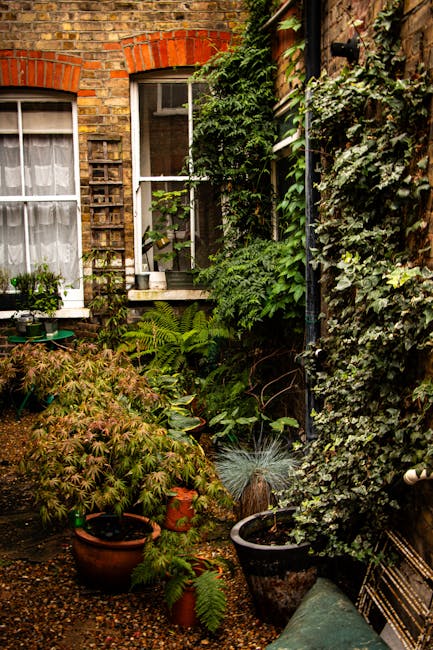
How to prepare your garden for a gardener visit and get value
If you're booking a gardener, the best value usually starts before they arrive. A tidy, well-planned garden helps a professional work faster, avoid wasted effort, and focus on the jobs that make the biggest difference. That's really the heart of How to prepare your garden for a gardener visit and get value: getting the space ready so the time, budget, and skill you're paying for go further.
It sounds simple, but in real life gardens get cluttered, borders get mixed up, and half the task list lives only in the homeowner's head. A little preparation solves that. It also makes the visit smoother, safer, and far more likely to end with you looking out of the kitchen window thinking, yes, that was worth it. Let's get into the practical stuff.
Table of Contents
- Why preparing your garden matters
- How the preparation process works
- Key benefits and practical advantages
- Who this is for and when it makes sense
- Step-by-step guidance
- Expert tips for better results
- Common mistakes to avoid
- Tools, resources and recommendations
- Law, compliance, standards and best practice
- Options, methods and comparison table
- Case study or real-world example
- Practical checklist
- Conclusion
- Frequently asked questions
Why How to prepare your garden for a gardener visit and get value Matters
Preparation matters because gardeners are usually paid for time, skill, equipment, and judgment. If they spend the first 20 minutes moving kids' toys, untangling hosepipes, or guessing what you want done, that is time not spent improving the garden. In a small city garden, even a modest amount of clutter can make a surprisingly big difference to what gets done in one visit.
There's another angle too. A prepared garden makes it easier for the gardener to assess priorities properly. Maybe the lawn needs a light cut, maybe the shrubs need shaping, or maybe the real issue is simple access to the back border. If the space is already reasonably clear, the professional can see the site clearly and make better decisions. Truth be told, that's where a lot of value comes from.
It also reduces friction. Nobody enjoys starting a job with confusion about what's included, what's off-limits, or where the compost bags should go. When expectations are clear, the visit tends to feel calmer and more productive. A good setup can turn a routine maintenance call into a much better result.
Expert summary: The easiest way to get more value from a gardener is to remove avoidable obstacles before they arrive, agree the priorities in advance, and keep access clear. Simple? Yes. Effective? Very.
How How to prepare your garden for a gardener visit and get value Works
The process is not complicated, but it works best when you treat it like a short pre-visit project rather than a quick tidy-up five minutes before the van pulls up. First, you decide what the gardener should focus on. Then you clear access, gather relevant information, and set aside anything that could slow the job down. After that, the visit can be used for the higher-value work: pruning, mowing, edging, weeding, hedge cutting, planting, or general maintenance.
Most gardeners work best when there is a clear brief. That does not mean a rigid script. It means enough direction to avoid guesswork. For example, if you want the beds weeded but not mulched, say so. If you want the front garden to look neat because visitors are coming on Saturday, mention the deadline. If there is a patch you'd like left alone because of spring bulbs or pollinators, that should be flagged early.
In practical terms, good preparation usually follows the same pattern:
- identify the jobs you want done
- remove obstacles and hazards
- make tools, waste areas, and water access easier to reach
- agree what success looks like for the visit
- follow up with any feedback while the visit is fresh
That's the simple version. And it works because it respects the gardener's time and your budget at the same time.
Key Benefits and Practical Advantages
There are a few obvious benefits, and a few that people only notice after they've had one or two visits go badly. A prepared garden doesn't just look tidier. It can improve the quality of the work and reduce the chance of missed details.
Better use of paid time
If a gardener can start work immediately, the paid time goes into actual gardening rather than clearing the way. That matters especially for smaller visits where every minute counts. A twenty-minute delay might not sound huge, but across a short appointment it can mean the difference between finishing the border and leaving it half-done.
Clearer results
When the priorities are visible and the area is accessible, the work tends to be cleaner and more consistent. The gardener can see edges, levels, dead growth, self-seeded plants, and anything that needs care around it. In other words, less guesswork, better finish.
Safer working conditions
Slips, trips, hidden tools, loose slabs, low branches, and stray cables all slow a job down. They can also create avoidable risk. A tidy setup helps everyone. If you're using a professional service, it's sensible to also review the business's health and safety approach and insurance and safety information so you know what kind of standards are being followed.
Less waste and fewer repeat visits
When jobs are prioritised well, there's less chance of paying for something to be redone later. For instance, if a bed is weeded but the cuttings are left everywhere because the waste area was blocked, you may end up needing extra cleanup. Small things, but they add up.
Better communication
A prepared visit often leads to better conversations. You can talk about what's working, what isn't, and what should happen next time. That's useful whether you need regular maintenance or an occasional garden reset.
Who This Is For and When It Makes Sense
This approach is useful for almost anyone hiring help, but it especially suits homeowners who want value from a limited number of hours. If you've got an overgrown garden after a busy season, a rental property needing a refresh, or a compact outdoor space where every square metre matters, preparation is worth doing.
It also makes sense if you've never hired a gardener before. Many first-time customers aren't sure what to expect. That's fine. A little structure takes the edge off. You don't need to know all the technical names for plants. You just need to explain what you want to look better, what should stay, and what's causing you hassle.
It's also useful for:
- busy families with very little time for tidy-up work
- older homeowners who want a safer, lower-stress process
- landlords and letting agents arranging one-off maintenance
- people preparing for an event, sale, or property viewing
- regular maintenance clients who want a more consistent finish
If you're still deciding what kind of help you need, it may be worth looking at the services overview to see how different gardening tasks are usually grouped, or checking pricing and quotes so you can judge what fits your budget and priorities.
Step-by-Step Guidance
Here's the part you can actually use the day before or morning of the visit. Keep it practical. No need to overcomplicate things.
1. Walk the garden with fresh eyes
Take a slow walk around the space and look for what is bothering you most. Overgrown edges? A weedy patio? A shrub blocking a path? Make a short list. If something has been annoying you for months, write it down now. Otherwise, it'll vanish from memory the minute the doorbell goes.
2. Decide the top priorities
Do not try to do everything at once unless the visit is specifically for a full clearance or reset. Pick the most valuable jobs first. For a short appointment, that might mean lawn care and border tidying. For a larger session, it could be pruning, weeding, and waste removal. Priority is everything.
3. Clear access routes
Move bikes, plant pots, tools, garden furniture cushions, children's toys, and anything else that might slow access to the main working areas. If a gardener has to keep stepping over things, the job becomes slower and a bit awkward. Simple access is one of the quickest ways to save time.
4. Put away personal items and fragile pieces
Garden ornaments, solar lights, delicate pots, bird feeders, and decorative bits should be moved if they're in the working zone. It's not about being precious. It's about avoiding breakage and helping the gardener move freely. A broken ceramic pot is never a good surprise.
5. Identify plants or areas that need special care
Point out anything that should not be cut back, dug over, sprayed, or disturbed. This includes bulbs just coming through, wildlife-friendly patches, established perennials, and anything planted by hand that you care about. A small note or quick chat can prevent a lot of regret later.
6. Make waste collection easy
If green waste is being collected on site, make sure there's a clear place for it. If you're planning to compost, empty the compost bin if needed. If bags will be left for later disposal, tell the gardener where they should go. People often forget this bit, then wonder why the cuttings are stacked in a corner. Happens all the time.
7. Check water and power access if relevant
If the work may involve hose use, pressure washing, battery charging, or powered tools, make access clear and safe. The gardener may bring their own equipment, but it helps to know whether a tap, outdoor socket, or extension route is usable. If you're unsure, mention it before the visit.
8. Confirm boundaries and restrictions
If part of the garden is shared, rented, or subject to neighbour access, say so. If there are low walls, narrow gates, or awkward parking rules, mention them too. This is one of those boring details that saves real time. To be fair, the boring details are often the important ones.
9. Share the brief clearly
When the gardener arrives, give a concise rundown: what matters most, what should be left alone, and what outcome you want. Keep it specific. "Make it tidy" is less useful than "clear the weeds from the back border, trim the front hedge, and leave the lavender alone."
10. Review the result before they leave
If time allows, walk around together for a quick check. This is the moment to mention anything missed or anything you'd like done differently next time. It's much easier to sort out then than later by message, when the moment has gone a bit cold.
Expert Tips for Better Results
Over time, a few habits make a bigger difference than people expect. These are the kind of small, practical tweaks that help you get better value without needing to micromanage the visit.
Be specific about "done"
Different homeowners mean different things by tidy. Some want a light refresh, others want a full reset. If you can, describe the finish you want. For example: "I want the front garden neat from the pavement," or "I'd like the beds cleared but not stripped bare." That gives the gardener a proper target.
Group similar jobs together
It's often more efficient to combine related tasks. Weeding, edging, and light pruning sit well together. So do hedge trimming, debris collection, and a final sweep. Mixing very different tasks can create stop-start work, which wastes time. A tidy plan is usually a better plan.
Use photos if you cannot be there
If you are away or coordinating from work, a few photos can help a lot. Take one wide shot and a couple of close-ups of the areas you want attention on. No need for fancy camera work. Just make sure the issue is clear. A photo in dull daylight is usually better than a vague memory.
Leave room for judgment
The best value doesn't always come from telling the gardener every tiny step. Give the target, not a script. If you trust their judgment, they can make sensible decisions about where to spend time first. That's especially useful if the garden needs prioritising after weather damage, a growth spurt, or months of neglect.
Keep a running note for next time
After the visit, write down what worked and what didn't. Next time, you'll be sharper. This sounds slightly over-organised, I know, but it helps. A quick note in your phone is enough.
Think about seasonal timing
A spring visit often means clearing winter debris and dealing with vigorous new growth. Summer might be about keeping edges sharp and watering-sensitive areas in order. Autumn is usually more about leaf fall, cutting back, and tidying before colder weather sets in. If you match the brief to the season, you get more useful work done.
Common Mistakes to Avoid
Most problems are avoidable. And the strange part is that they tend to be very ordinary mistakes, not dramatic disasters.
- Leaving the garden cluttered: It slows everything down and can create avoidable risk.
- Being vague about the job: "Just tidy it up" is too open-ended for most visits.
- Booking too little time: A short slot won't cover a big clearance, however optimistic everyone feels on the day.
- Expecting perfection from a first visit: Sometimes the first job is about getting control, not finishing every detail.
- Not mentioning fragile plants or wildlife-friendly areas: That can lead to accidental damage.
- Forgetting waste disposal: The cuttings need a home, or they sit there looking at you for days.
- Changing priorities mid-visit without discussion: Small changes are normal, but constant switching can spread the work too thin.
One of the biggest errors is assuming the gardener will instantly know what you care about most. They usually won't, not on the first visit. You have to say it. That's not awkward; it's just part of getting good service.
Tools, Resources and Recommendations
You do not need a toolbox the size of a shed. Still, a few simple items make preparation easier and the visit more efficient.
- Gloves: Useful for quick clearing if you're moving pots, weeds, or debris beforehand.
- Garden bags or tubs: Handy for collecting clutter before the gardener arrives.
- Notebook or phone notes: A simple way to list priorities and questions.
- Labels or tape: Helpful if you need to mark plants or areas that should stay untouched.
- Basic loppers or secateurs: Only if you already know how to use them safely and want to do a bit of prep work yourself.
If you're considering ongoing maintenance, it can also help to understand how a business handles customer information and payments. The practical side matters more than people think, especially if you want a smooth repeat service. You can review payment and security information, terms and conditions, and privacy details before booking.
For homeowners who prefer a service led by clear policies and responsible handling of green waste, the recycling and sustainability approach may also be worth a look. It gives a better sense of how cuttings, clippings, and general garden waste are dealt with.
Law, Compliance, Standards, or Best Practice
For most domestic garden visits, there is no complicated compliance process on the homeowner's side. Still, there are sensible expectations around safety, access, and lawful handling of waste. If the work involves tools, ladders, powered equipment, or green waste removal, best practice is to make sure the provider works safely and is properly insured. That part is not overkill; it is simply sensible.
If you live in a rented property, shared property, or managed development, check whether there are any local access rules, parking limits, or shared-area expectations that could affect the visit. The same applies if a neighbour's boundary is close and branches overhang. A quick conversation before the job can prevent a lot of back-and-forth later.
It is also reasonable to expect a clear complaints route and transparent service terms from any professional provider. Not because things go wrong every day, but because good businesses make it easy to resolve issues if they do. For reference, you can review pages such as complaints procedure, about us, and contact us to understand how a professional service typically presents itself.
In the UK, public expectations around recycling and safe disposal are also fairly well established, even if the details vary by area and contractor. The main thing is this: don't assume waste will disappear automatically. Agree it in advance. Nice and clear.
Options, Methods, or Comparison Table
There are several ways to prepare, and the best choice depends on time, budget, and how hands-on you want to be. Here's a straightforward comparison.
| Preparation Method | Best For | Pros | Watch Out For |
|---|---|---|---|
| Light tidy before the visit | Regular maintenance and small gardens | Quick, low effort, improves access | May not be enough for a bigger clearance job |
| Detailed pre-visit plan | First-time visits and larger gardens | Clear priorities, better results, less confusion | Takes a bit more thought beforehand |
| Photo-led brief | When you are away or working | Easy to share, reduces misunderstandings | Photos can miss context if not taken clearly |
| Walkthrough on arrival | New customers and one-off jobs | Fast clarification, useful for priorities | Can take a few minutes from paid time if not organised |
For most people, a mix works best: light tidy plus a clear arrival walkthrough. That tends to be the sweet spot. Not too formal, not too vague.
Case Study or Real-World Example
Here's a realistic example. A homeowner in a typical terraced property had a front garden and a narrow back space that had got away from them over spring. The path was partly hidden by plant growth, a couple of old pots were sitting by the back gate, and the lawn edge had softened into the border. Nothing dramatic, but enough to make the space feel untidy and slightly stressful.
Before the gardener visit, they spent about 25 minutes clearing the path, grouping loose pots, moving a hose, and making a short list of priorities. They noted three things: trim the front hedge, clear weeds from the patio edge, and reduce the worst overgrowth in the back border without touching a young climber. When the gardener arrived, the job was straightforward. No guessing. No stopping to ask where things should go. Just work.
The result was better than the homeowner expected, not because the garden was magically transformed, but because the gardener spent the appointment doing the useful work instead of navigating around clutter. The garden also looked more finished, because the hidden edge lines were visible again. That's the bit people notice when they step outside with a cup of tea at the end of the day. Small wins, but they matter.
Practical Checklist
Use this checklist the day before or on the morning of the visit. Keep it simple.
- Make a short list of the main jobs you want done
- Decide which areas are highest priority
- Clear toys, pots, furniture cushions, and other obstacles
- Move fragile ornaments and anything breakable
- Mark plants or areas that should not be cut or dug over
- Check access gates, paths, and parking arrangements
- Make waste disposal or compost space available
- Confirm whether water or power access will be needed
- Share any time limits, deadlines, or special requests
- Do a quick walk-around before the gardener starts
- Review the results at the end if possible
Quick tip: If you only do one thing, clear the access routes. That one step usually buys back time immediately.
Get a free quote today and see how much you can save.
Conclusion
Preparing your garden for a gardener visit is not about making the place look perfect beforehand. It is about making the work easier, clearer, and more valuable. When the space is accessible, the priorities are set, and the small distractions are removed, the gardener can get on with the job properly. That usually means a better finish and less money spent on avoidable faff.
If you remember only one thing, remember this: good value starts with good preparation. A few minutes spent before the visit can make the difference between a rushed tidy and a genuinely useful transformation. And honestly, it feels better too. You're not just hiring help; you're setting the job up to succeed.
When you're ready to book, take a minute to review the service details, ask the right questions, and make sure the visit is planned around what your garden actually needs. A little thought now pays off later, when you step outside and the whole space just works.
Frequently Asked Questions
What should I do before a gardener arrives?
Start by clearing access, moving fragile items, and writing a short list of the jobs you want done. If you can, point out any plants or areas that need special care. That makes the visit smoother and usually more productive.
How can I get the best value from a gardener visit?
Be clear about priorities, remove obstacles before the appointment, and make sure waste disposal is agreed in advance. Value usually comes from less wasted time and more focused work.
Do I need to tidy the whole garden before the visit?
No, not usually. A light tidy is often enough. The aim is to help the gardener work efficiently, not to do their job for them. Focus on access, hazards, and clear instructions.
Should I be there when the gardener starts?
If possible, yes. A quick walkthrough can prevent misunderstandings. If you cannot be there, leave a clear note or send photos so the priorities are understood in advance.
What if I'm not sure what needs doing?
That is completely normal. A good gardener can help you identify the most urgent tasks once they see the garden. Even then, it helps to mention the things that bother you most.
How much detail should I give?
Give enough detail to avoid guesswork, but leave room for professional judgment. Saying "trim the hedge and clear the weeds from the patio edge" is more useful than "make it nice."
Should I move garden waste myself?
If you can, yes, at least the bulky bits and clutter. That said, if waste removal is part of the service, agree where cuttings should go so they do not end up in the wrong corner.
What are the most common mistakes homeowners make?
The biggest ones are being vague, leaving the garden cluttered, and underestimating how long the jobs will take. Another common one is forgetting to mention special plants or areas that should be left alone.
How do I prepare a small garden for a gardener visit?
Small gardens often benefit the most from preparation because every square metre matters. Clear the paths, move pots, and make sure the most important features are easy to access. In a tight space, even one obstacle can slow things down a lot.
Is it worth booking regular maintenance instead of one-off visits?
For many gardens, yes. Regular maintenance can be more efficient because problems do not build up as much. It often makes preparation easier too, since the garden stays more manageable between visits.
What should I ask a gardener before booking?
Ask what services are included, how waste is handled, what access is needed, and how they prefer the garden to be prepared. If you're comparing options, the service pages and quote information can help you judge fit before you commit.
How do I know if the gardener is a good fit for my needs?
Look for clear communication, sensible expectations, and a professional approach to safety, payment, and service terms. A straightforward provider should make it easy to understand what they do and how they work.
Can preparation reduce the cost of a visit?
It can, indirectly. If the gardener spends less time moving obstacles or clarifying tasks, more of the appointment can go into actual garden work. That often improves the return on what you pay, even if the price itself stays the same.
Sometimes the best garden results come from the quiet work you do before the first tool even comes out. And that, strangely enough, is often the easiest win of all.